Heat pump or furnace? That is the first thing that matters when the heat quits in Gastonia, NC, because the two fail in completely different ways. Heat pumps tend to ice over when defrost stops working, get stuck in cooling when a reversing valve fails, or quietly lean on the electric backup strips, at several times the normal operating cost, when the outdoor unit dies. Gas furnaces typically come down to the flame sensor: once oxide coats it, the burners light but the flame cannot be proven, so the board cuts the gas and locks out after three tries. After that, we most often find cracked hot surface igniters, stuck pressure switches, clogged condensate traps on high-efficiency models, and blower motors at the end of their life.
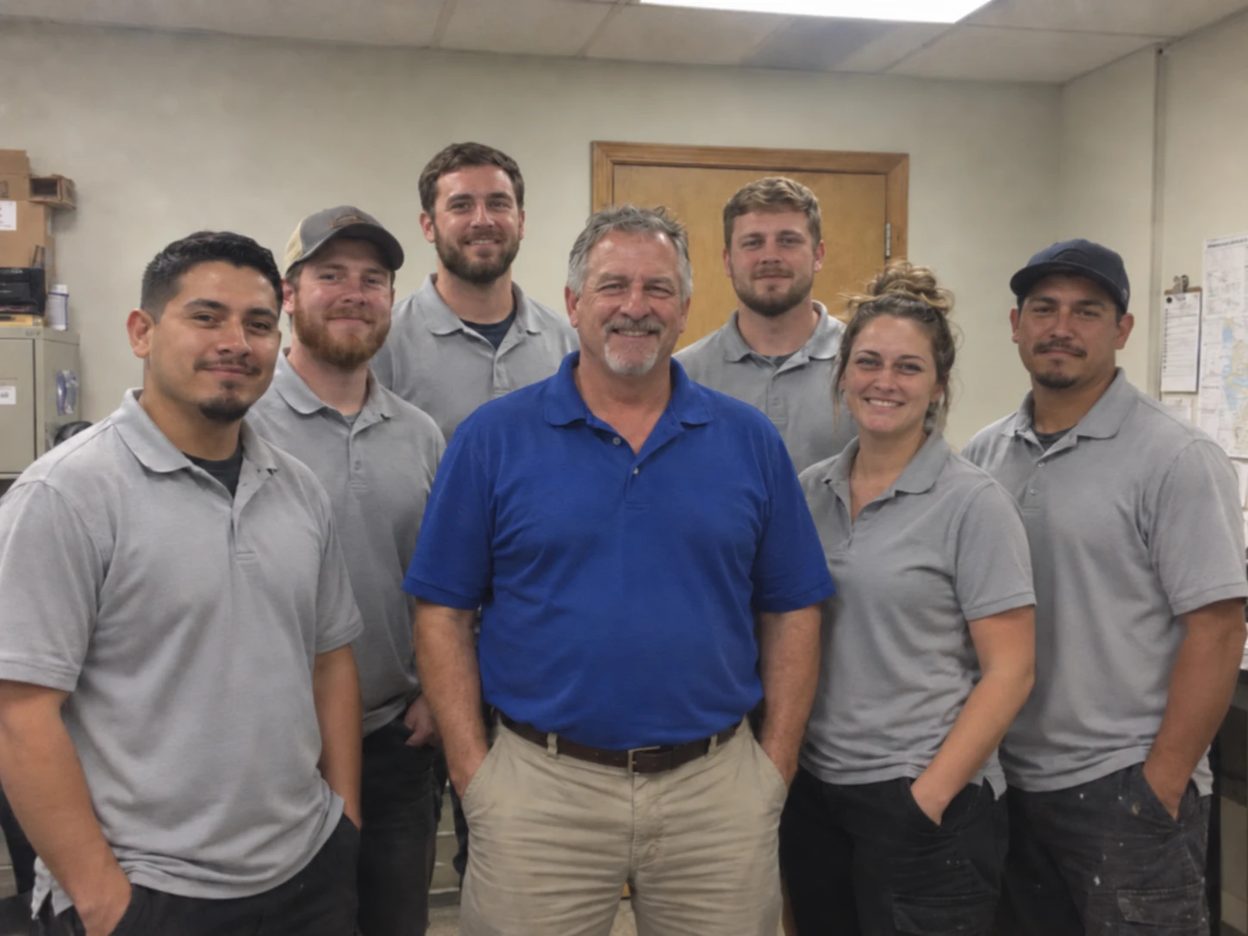
Gastonia HVAC runs every no-heat call diagnosis-first. Our experienced technicians treat error codes as clues, not conclusions, measuring flame signal in microamps, testing igniters for resistance, confirming pressure switch operation against actual inducer draft, metering capacitors and motors, and checking refrigerant charge and defrost operation on heat pumps. Gas-side visits include the safety fundamentals as standard practice: connections are leak-tested, the heat exchanger inspected, and flue draft confirmed, because a heating repair that is not verified safe is not finished.
Gas and electric furnaces, heat pumps, air handlers, boilers, and ductless systems from every major brand are all part of our daily work. Because the trucks carry the parts that fail most, including igniters, flame sensors, capacitors, inducer motors, and blower motors, most repairs are done before we leave. When a system has reached the end of its useful life, you will hear that from us plainly, along with real numbers for each option. Need heat back in Gastonia? Call (980) 203-2827 and we can get someone to you today.
Our most requested repair is Furnace Repair in Gastonia. Start there if your system isn't running right.
Warning Signs for Heating Repair
The sooner you notice these red flags, the easier and cheaper the problem is to resolve. Here are the most common indicators that it's time to call a professional:
- The furnace clicking and trying to light but shutting back down
- Strange smells from the vents, especially rotten egg or burning
- The system starting and stopping every few minutes without warming the house
- A loud boom when the burners light, which points to delayed ignition
- Energy costs climbing even though the house feels colder
- No warm air at the registers even with the heat turned up
- Thick ice or frost covering the heat pump outside
- Cold rooms in one part of the house while others are comfortable
Don't Wait for a Total Failure
Left unchecked, even a small fault or temperature swing often signals a system working its way toward a breakdown. Call Gastonia HVAC at (980) 203-2827 at the first sign of trouble.
Ready to Solve Your Heating Repair Problem?
Call our expert team for pricing today.
Call (980) 203-2827 NowFrequently Asked Questions About Heating Repair
Why Hire a Professional for Heating Repair?
Combustion is what makes heating repair different from the rest of home comfort work. A late light-off booms unburned gas inside the heat exchanger and stresses the metal each time it happens. A cracked exchanger can leak combustion gases into the air your family breathes, and a flue that stops drafting pushes carbon monoxide into the living space instead of outdoors. None of these problems announce themselves to someone without training and instruments. Diagnosis has its own traps as well. Short cycling can point to a failing limit switch or to a furnace protecting itself from a clogged filter, and a flame sensor cleaned without finding out why it fouled simply sets up the next lockout.
That is why Gastonia HVAC does not guess. Our technicians read flame signal on a meter, look at the heat exchanger directly, confirm the flue is drafting, and compare temperature rise to the data plate to make sure the blower speed fits the burner. On heat pumps we check defrost controls, sensors, and the reversing valve before blaming the compressor, and we find out whether the electric backup heat has been running unnoticed and driving up your costs. Nothing is called fixed until it has run a full cycle and proven itself safe and correct, because your family's warmth and safety depend on it.
Our Heating Repair Process
We follow a proven process to ensure every repair and installation is completed to the highest standards. Here's how we handle heating repair from start to finish:
Diagnosis and Safety Check
We pull the fault codes, then verify: flame signal, igniter resistance, pressure switch operation, motor and capacitor health, and charge and defrost on heat pumps, with gas connections leak-tested as standard.
Straight Answers & a Firm Price
You see the failed part and hear precisely why it failed, then get a firm price before any work starts. When a cracked heat exchanger or failed compressor makes replacement the smarter move, we tell you directly.
The Repair Itself
The majority of repairs wrap up in one trip. The parts that fail most often, including igniters, flame sensors, pressure switches, capacitors, and motors, are already on the truck, so the heat is back on before we head out.
Full Cycle Verification
We do not call it done until the system proves itself. That means full cycles, temperature rise checked against the data plate, combustion and draft confirmed on gas equipment, and every safety control verified.
Want a Professional Opinion?
Call Gastonia HVAC to discuss your heating repair needs with an experienced technician.
Call (980) 203-2827 TodayMaintenance Tips for Heating Repair
A little routine maintenance goes a long way toward avoiding a mid-season breakdown. Here are our expert recommendations:
- Clear snow, leaves, and overgrown shrubs from around the heat pump so defrost works properly
- Leave open space around the furnace so the burners can draw enough combustion air
- Swap the filter every month while the heat is running, since restricted airflow trips limits and shortens heat exchanger life
- Have the system serviced each autumn, before the weather tests every weak component
- Take booming ignition or new rattles seriously; both are cheap to fix early and expensive late
- Move solvents, paints, and pool or laundry chemicals away from the furnace to protect the burners from corrosive vapor
- Test carbon monoxide detectors monthly and put one on every level of the home
Should You DIY or Call a Pro?
Online tutorials may help in a pinch, yet lasting repairs and code-compliant installations usually depend on professional methods and trained technicians. Consider the following comparison:
| Factor | DIY Attempt | Professional Service |
|---|---|---|
| CO Safety | No way to detect a CO problem | Draft and heat exchanger checked every visit |
| Diagnosis | Parts swapped on a hunch | Flame signal and components metered |
| Gas Connections | Small leaks slip by undetected | Every joint checked with a leak detector |
| Heat Pump Faults | Defrost problems misread as total failure | Each defrost component checked in turn |
| Root Cause | Symptom treated, problem left behind | The fault behind the fault diagnosed |
| Verification | One successful start and done | Temperature rise measured over full cycles |
Schedule Your Heating Repair Service
Don't let a failing system get worse. Call Gastonia HVAC now for prompt, professional service.
Call (980) 203-2827 NowWhere We Provide Heating Repair
Our technicians handle heating repair throughout Gastonia and the surrounding communities, with the same upfront pricing everywhere we work.